
Guides
Deal Structures in Business Sales: What a Stated Price Actually Means
Deal structures in business sales decide what a buyer pays and what a seller keeps. Here is how notes, equity rollovers and headline prices really work.
What to take away
- A stated purchase price is not cash in hand. Structure decides the split between cash at closing, a promissory note, earnout and rolled equity.
- Seller-financed notes shift collection risk to the seller. IRS Publication 537 governs how the payments are reported.
- Headline prices for private companies are arithmetic on the most protected share class, not an appraisal of what common holders receive.
- A price is only meaningful with a date, a payment schedule and the working capital terms attached to it.
The four ways a business sale gets paid
Most small and mid-market sales in the United States use some mix of four instruments. Each one moves risk to a different party.
Cash at closing
- All cash
- Full price
- Seller note
- 50 to 80 percent
- Earnout
- Base plus contingent
- Equity rollover
- Partial
Who carries the risk
- All cash
- Buyer
- Seller note
- Seller
- Earnout
- Shared
- Equity rollover
- Shared
A buyer who pays all cash takes every risk that the projections were wrong. A seller who holds a note keeps that risk and usually charges interest for it.
Seller financing and the promissory note
A seller note is a loan from the seller to the buyer, documented as a promissory note. It needs a principal amount, an interest rate, a maturity date and a default remedy.
The IRS treats the interest as ordinary income and the principal as sale proceeds under the installment method. Publication 537 sets out how each payment splits between the two.
Sellers should ask what secures the note. An unsecured note from a buyer with no other assets is close to an earnout in disguise.
Earnouts and what triggers payment
An earnout pays extra if the business hits a target after closing. The target is usually revenue, gross profit or a customer retention figure over 12 to 36 months.
The trap is control. Once the buyer owns the company, the seller cannot protect the metric. A buyer who cuts marketing spend can miss a revenue target the seller would have hit.
Write the earnout around a measure the seller can still influence, and define the accounting method in the purchase agreement.
Equity rollover in a larger acquisition
In a rollover, the seller takes shares in the buyer instead of full cash. That is common when a private equity firm buys a founder-owned company and wants the founder to stay.
The seller becomes a minority holder with no control and no ready market for the shares. The upside is a second exit later at a higher price. The downside is that the second exit may never come.
Ask for the same information rights and tag-along protection that other minority holders have.
Why a headline price is not a price anyone received
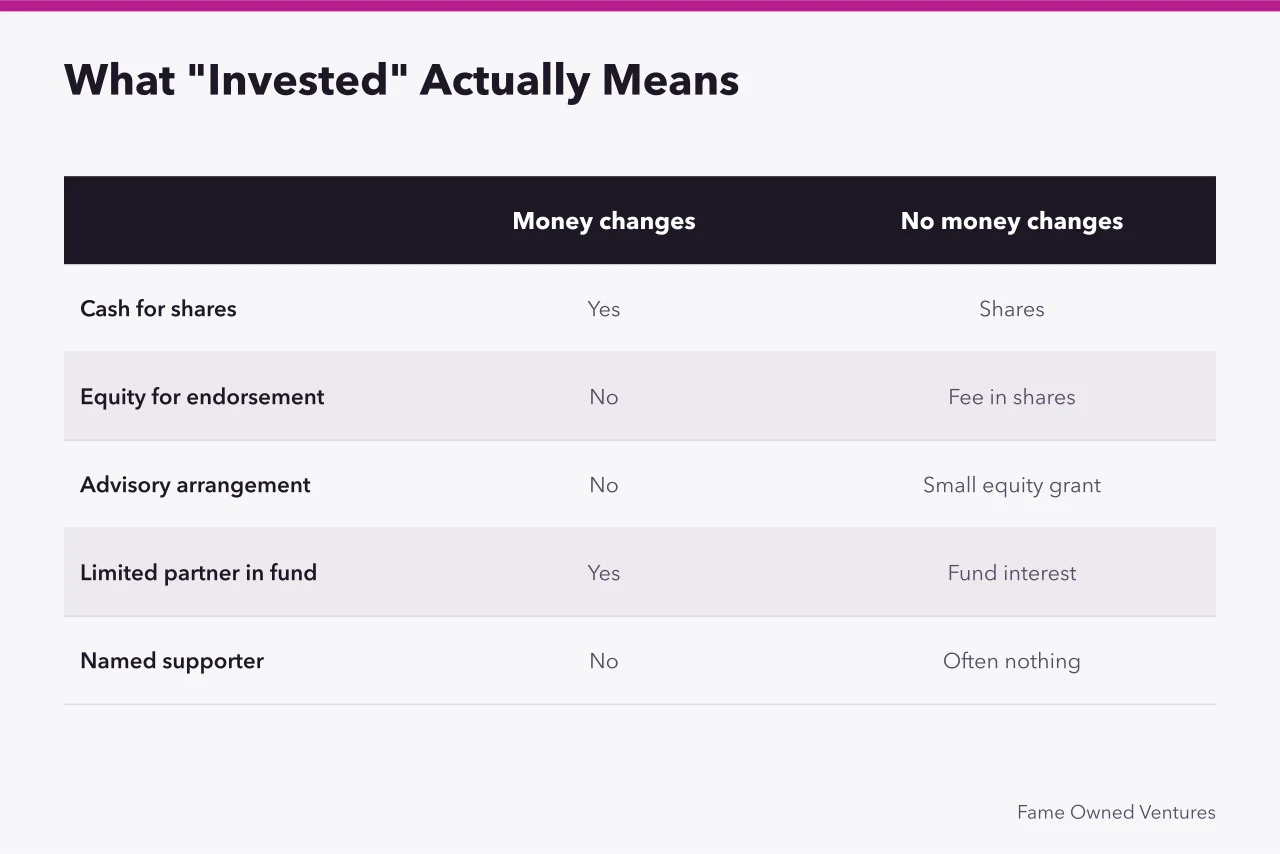
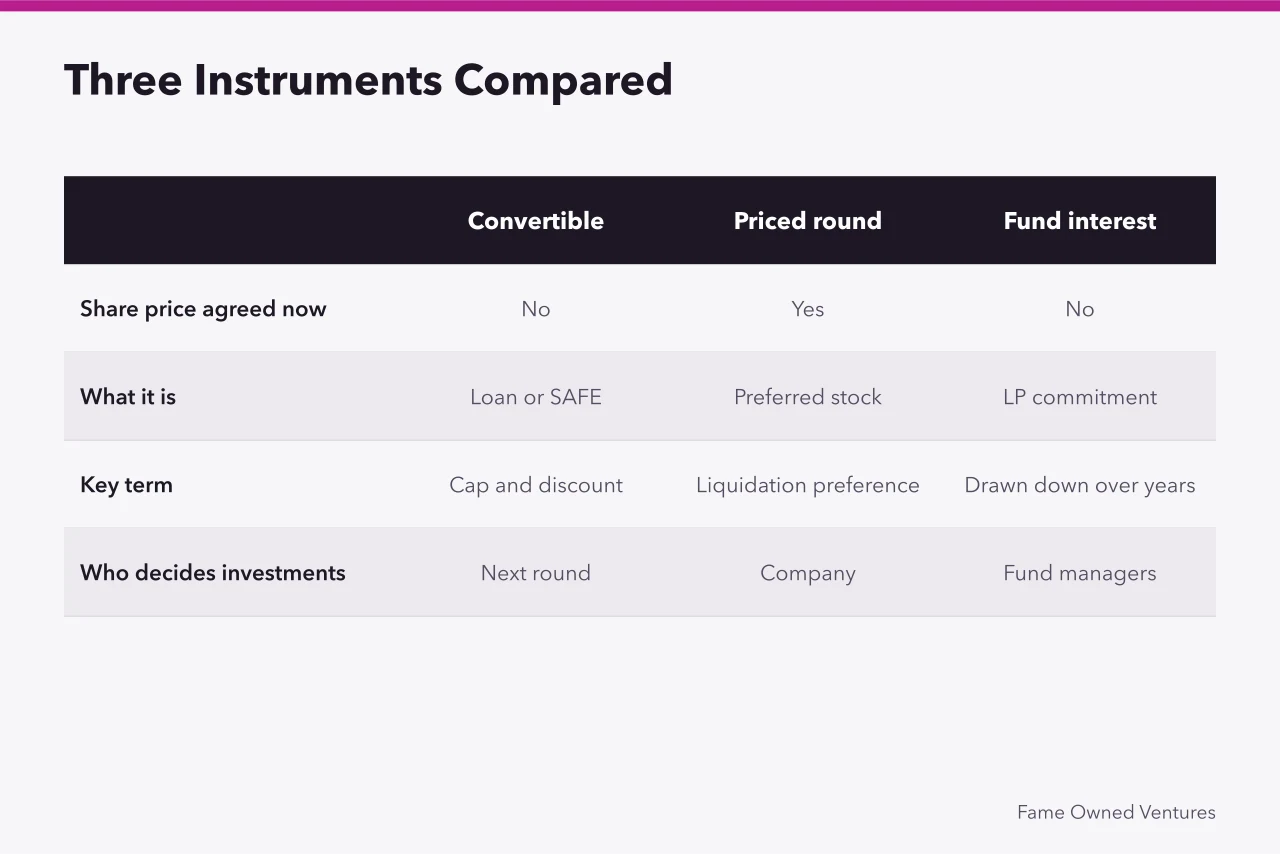
A private company valuation is arithmetic on the most protected share class. Multiply the price per share in the latest round by all shares outstanding on a fully diluted basis and you have the headline number.
Common shares held by founders and employees carry no liquidation preference. In any outcome except a strong one, those two classes are worth different amounts per share.
Preferences also stack. A company that raised several rounds carries an accumulated amount repaid before common holders see anything. A business can sell for a large headline sum while common shareholders receive very little.
Working capital and the final number
Almost every sale adjusts the price for working capital at closing. The agreement sets a target, usually the trailing 12-month average, and the buyer pays or the seller refunds the difference.
A gap of a few days in receivables collection can move six figures. Sellers who want to see how these adjustments play out in practice should read closing and integration examples before signing anything.
The purchase price allocation then splits the total among equipment, inventory, customer relationships and goodwill. IRS guidance on allocations explains how that split sets the tax basis for both sides.
Normalizing earnings before you argue price
Buyers price a business off adjusted earnings, not reported profit. The adjustment removes owner perks, one-off costs and above-market rent.
Owner compensation is the largest single adjustment. A founder paying themselves below market inflates earnings. BLS wage data gives a market benchmark for the role the buyer will have to fill.
Every adjustment needs a document behind it. A buyer who cannot verify an add-back will discount it, and often discounts the whole set.