Costs
Part of 9 points worth checking on acquisition financing
Acquisition financing requirements: documents to gather
Acquisition financing requirements vary by lender and program. See the buyer, business and transaction records to gather, plus forms and reports to confirm.
Acquisition financing requirements start with a file a lender reads, in three parts: you, the business you are buying, and the transaction.
Most applications stall because a part two document does not exist yet. The buyer did not know it was needed until an underwriter asked. This page lists what belongs in the file, who produces each item, and what commonly goes missing.
U.S. financing routes can include conventional bank or mezzanine financing, SBA 7(a), SBA 504 for eligible fixed assets, and USDA Rural Development’s Business & Industry (B&I) Loan Guarantee for eligible projects. The forms and requirements differ, so confirm which route the lender is underwriting; this is a core file checklist, not a universal lender mandate.
What to take away
- Assemble the file before you need it. Almost every delay is a document that had to be requested from someone outside the transaction.
- The seller produces more of a buyer's lending file than either side expects, which is why funding has to be discussed with them early.
- A purchase of this size warrants an intermediary, an accountant and a lawyer, and the accountant is the one who turns the seller's records into something an underwriter can read.
Part one: about you
- A statement of your own positionwhat you own, what you owe, and what is available as equity for this purchase.
- Evidence that the equity exists and is yours to use, in an account, not in a plan.
- Your history in this trade or in running a business, set out plainly.
- Consent to the credit checks the lender will run, and a warning to yourself: anything that would surprise them is better disclosed than discovered.
- The entity you will buy through, if one is formed, with its registration documents. In the United States a new entity will generally need an employer identification number before it can bank or employ anyone, and the timing of that catches first-time buyers.
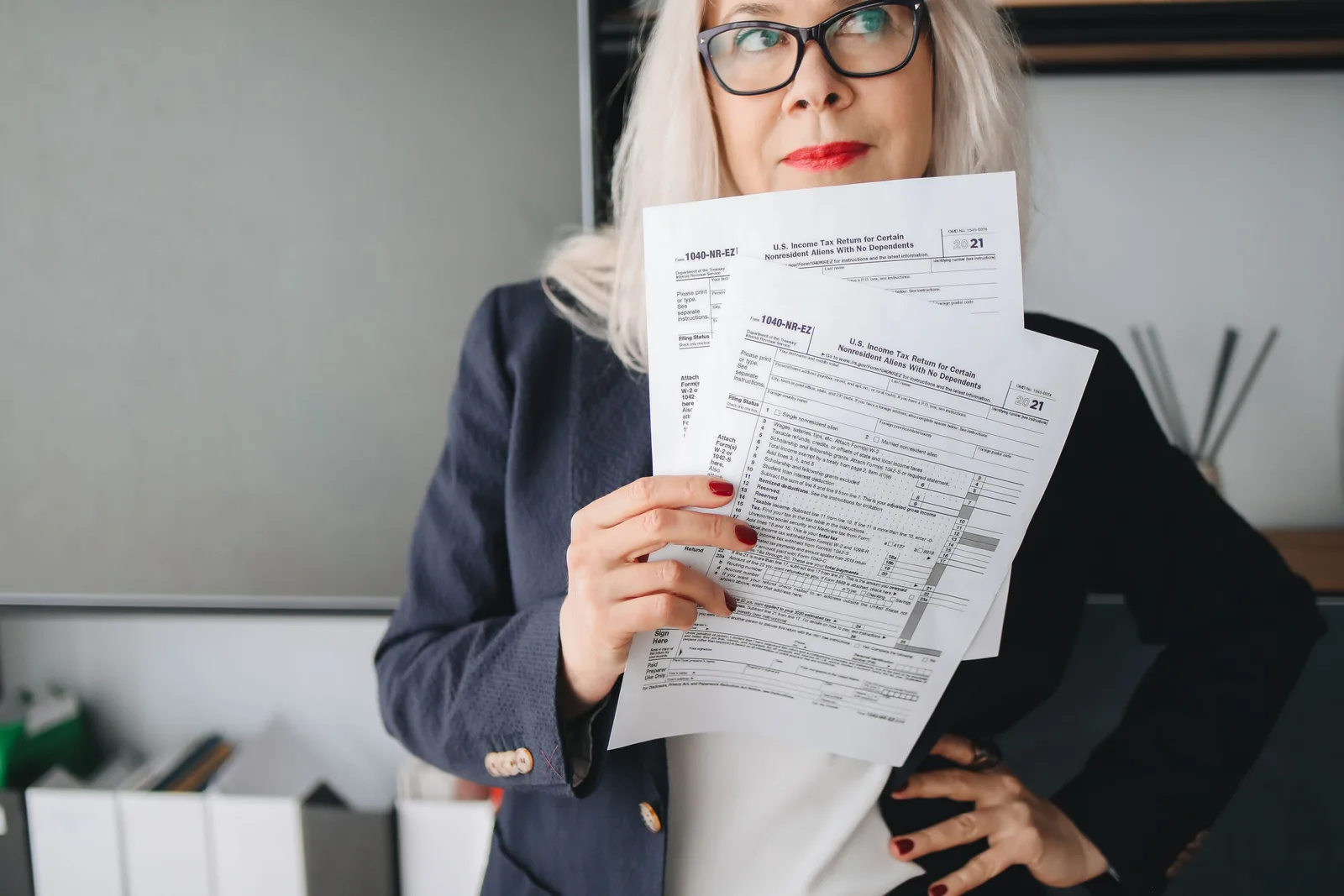
- For an SBA 7(a) application, ask the lender whether it needs SBA Form 1919 (Borrower Information Form) and SBA Form 413 (Personal Financial Statement). The lender may also request IRS Form 4506-C (IVES Request for Transcript of Tax Return); these are not universal forms for every acquisition loan.
The lender is testing whether you can absorb the first losses and whether you have run anything before. Neither is a formality, and both are settled from documents rather than conversation.
Part two: about the business
This is the part you cannot produce yourself, and the part that decides the answer.
Business file: who supplies what
- Financial statementsseller
- Tax filingsseller
- Management accountsseller
- Bank recordsseller
- Adjustment scheduleyour accountant
- Lease and assignmentseller and landlord
- Licenses and permitsissuing bodies
About the business
| What the lender needs | Who has it | What goes wrong |
|---|---|---|
| Financial statements over enough years to show a direction | The seller | They exist but do not reconcile to the tax filings |
| Tax filings for the same years | The seller | Amended or missing returns nobody mentioned |
| Management accounts since the last year end | The seller | Kept informally, or not at all |
| Bank records supporting both | The seller | Never assembled; the request itself causes alarm |
| An adjustment schedule, each item evidenced | Your accountant, from the seller's records | Adjustments the seller asserts and cannot document |
| Revenue by customer, with tenure | The seller | Refused until late for confidentiality |
| The lease, and its assignment terms | The seller and the landlord | Consent not yet sought |
| Licenses and permits, with transfer rules | The issuing bodies | Assumed transferable; often not |
| An asset register with what is still in use | The seller | Includes items long since scrapped |
| Any security already registered over the assets | Public registry and the seller | Old registrations never released |
The pattern: the seller supplies most of it. A buyer who has not told the seller a lender will want all of this, in this form, meets the request as a shock mid-diligence.
Ask for each available year of the seller’s financial statements and business tax returns, plus current-year-to-date financials. The lender decides how many historical years it needs, so confirm that period with the underwriter rather than assume a fixed requirement.
Raise it at the first serious meeting instead. The preparation a good seller has already done becomes visible immediately.
Part three: about the transaction
- The agreement, or the letter of intent that precedes it, showing price, structure and what is included.
- A statement of sources and usesevery source of money in the deal and every place it goes, including fees, working capital and any amount held back.
- The structure in detail. Whether this is an asset or a share purchase changes what the lender can take security over, which is why the deal structures question and the funding question are settled together rather than in sequence.
- The terms of any seller note, including how it is subordinated, since the lender will usually insist on ranking ahead of it.
- Your own forecast for the business, which the lender will read and discount, because they are not paid a share of the upside.
- Evidence of what the business will need in working capital after closing, so that the loan is not consumed by day-one trading.
- Insurance the lender requires, which may include cover on the life or continued involvement of whoever runs the business.
- An asset register or fixed-asset schedule identifying equipment and other collateral.
- The lease assignment and written landlord consent, plus confirmation from the issuing authority that required licenses and permits can transfer or be reissued.
- Any third-party reports the lender requires for the collateral: a business appraisal or valuation, equipment appraisal, Phase I environmental site assessment, or real-estate appraisal. Ask the lender which apply and who orders them; they are not required for every deal.
What the lender does with the file
They ask whether ordinary trading covers the scheduled repayments with room to spare, a test usually expressed as a debt service coverage ratio. The lender or program sets the calculation and required threshold; there is no single cutoff that applies to every file. They ask what could be taken and sold if it does not: collateral, which in a service business is often very little.
And they ask who is personally committed. The acquisition financing page sets out those three questions from the lender's side; the requirement here is simply that every one of them is answered from documents you have already collected.
Where applications actually stall
- A consent nobody requested, usually the landlord's.
- An adjustment schedule with quality-of-earnings add-backs the accountant cannot evidence, so the earnings the loan was sized on shrink.
- A UCC lien search finds a filing against assets the seller believes are unencumbered; identify any active UCC-1 financing statement and get a payoff or termination plan.
- A license or permit whose transferability has not been confirmed with the issuing authority, which changes the structure and restarts the credit paper.
- A buyer who has approached several lenders at once without saying so, and whose file arrives inconsistent.
None of these is a credit problem. All of them are document problems, and all are visible weeks earlier to anyone who assembled the file deliberately.
Where applications stall
- Landlord consent never requested
- Adjustment schedule cannot be evidenced
- Old security registered over assets
- License does not transfer
- Inconsistent file across several lenders